

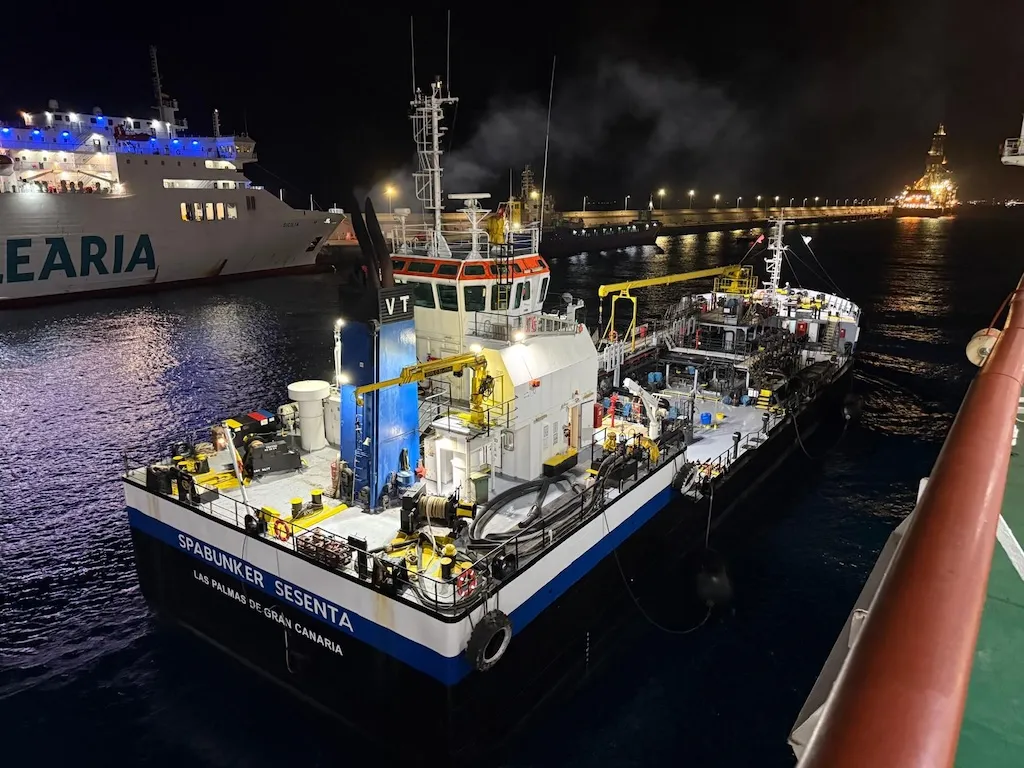
Transport Proposes Changes and Modifications to Professional Titles in the Merchant Navy
The Ministry of Transport and Sustainable Mobility has presented a new draft royal decree proposing several changes to the professional titles of the Spanish Merchant Navy.
The initiative, dated October 14, 2026, includes the creation of two new qualifications for port services, modifications to embarkation periods, new possibilities for validation, and the incorporation of certifications related to emerging maritime technologies.
The reform affects Royal Decree 269/2022, of April 12, currently in force, which establishes the training, experience, and powers required for maritime professionals.
The changes will impact captains, bridge and engine officers, naval mechanics, port masters, and students of maritime education.
The draft royal decree is in the public consultation phase from October 14, 2026, to November 6, 2026. The proposed changes will not take effect until their subsequent approval by the Council of Ministers and final publication in the BOE.
1.- Creation of Two New Professional Titles
Two qualifications specifically aimed at port navigation and auxiliaries are being created:
* Port Service Vessel Master and Merchant Navy Navigation Auxiliaries.
* Port Service Vessel Mechanic and Merchant Navy Navigation Auxiliaries.
(Both qualifications include a transitional regime for the adaptation, exchange, or validation of current Port Master cards).
2.- Flexibility in Embarkation Periods (Sea Days)
* Bridge Students (Second Pilot): The type of vessels accepted to count towards the mandatory embarkation year is being relaxed (maintaining a minimum of 6 months on merchant vessels over 500 GT).
* Offshore and Coastal Masters: The variety of vessel categories allowed to count and credit the required days for access to the title's powers is being expanded.
* Greater overall flexibility in the order of course completion, embarkation sequences, and access to qualifications.
3. New Validation and Professional Progression Pathways
* Direct validation pathways from port and local qualifications to other professional titles are being opened.
* The distinction between academic equivalence and the technical-operational requirements demanded by the DGMM to perform functions on board is being clarified.
* For certain titles, the authorization to double the power of engines on tugs is being introduced.
4. Emerging Technologies and Decarbonization
* Training contents and accreditations in advanced subjects such as:
* Wind propulsion systems and aerodynamics applied to vessels.
* New alternative fuels (hydrogen, ammonia, methanol).
* Stability and maneuverability adapted to vessels with reduced emission technologies and hybrid or automated propulsion.
The draft royal decree is in the public consultation phase from October 14, 2026, to November 6, 2026. Therefore, the proposed changes will not take effect until their subsequent approval by the Council of Ministers and final publication in the BOE.
Photo: Juan Carlos Díaz Lorenzo
Related posts
👁️ 497 

- by Redacción
- 4 days ago
Italian Merchant Fleet Reduces Deadweight Tonnage by 1.8%, According to UNCTAD Data
👁️ 3,199 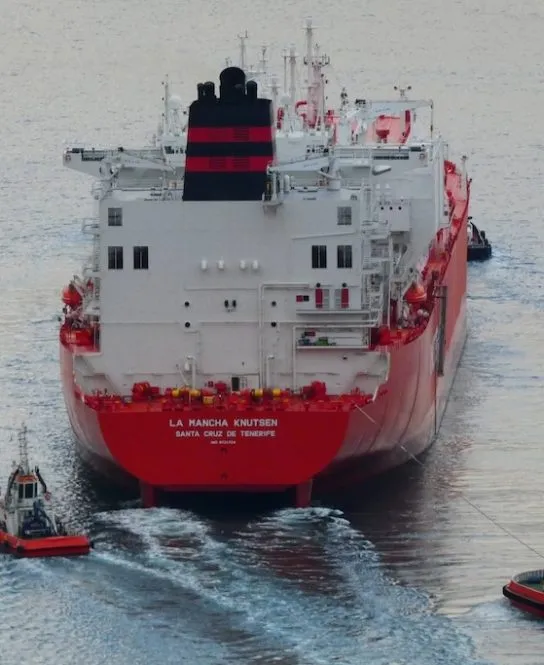
- by Redacción
- 1 week ago
New Brussels Warning Regarding the Flag of Port Tugs in Spain, Italy, and France
Most Recent
👁️ 2,315 
👁️ 3,562 
👁️ 605 